
Natural Habitat Preservation
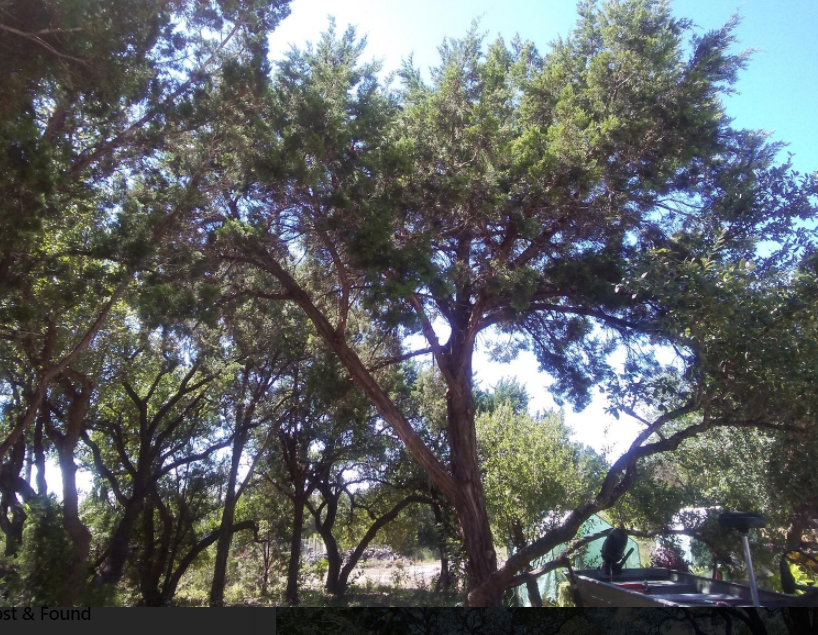
This image shows a healthy habitat with several types of trees.
Some believe cedar trees are invasive in the Texas Hill Country, but they are part of the native ecosystem. Excessive cedar removal can disrupt the soil environment—made up of minerals, roots, microorganisms, and mycorrhizal fungi—that supports healthy tree growth. When this system is disturbed, trees may experience increased drought stress due to reduced water and nutrient availability.
In a balanced environment, oak and cedar species work together within the same soil ecosystem. Mycorrhizal fungi play an important role by connecting with tree roots and helping improve water uptake. When too much vegetation is removed, this underground network can be damaged, contributing to long-term stress in oaks—especially those growing in isolated conditions.
Healthy tree systems rely on balance rather than elimination of species. Selective cedar thinning, combined with canopy management and root zone support, can help restore stability and improve long-term tree health.
In many areas where oaks and cedars coexist naturally, both species thrive when neither dominates. Overcrowded cedar areas may still require selective clearing, but maintaining soil structure and ecosystem balance is key to sustaining healthy oaks.
Contact us today for a free consultation for your trees.
Balance the ecosystem. Protect the soil. Strengthen the oaks.